Claims
The sentences the program is built to hold, and the evidence under each. An entry with a still is a recorded run; one with the mark is a page that states the work before it is recorded.
The record lives on the machine
A part with no operating system over it writes its record into its own flash, and the boot after it reads every record back by the address it was written at, with no host in the loop.
The medium survives the cut
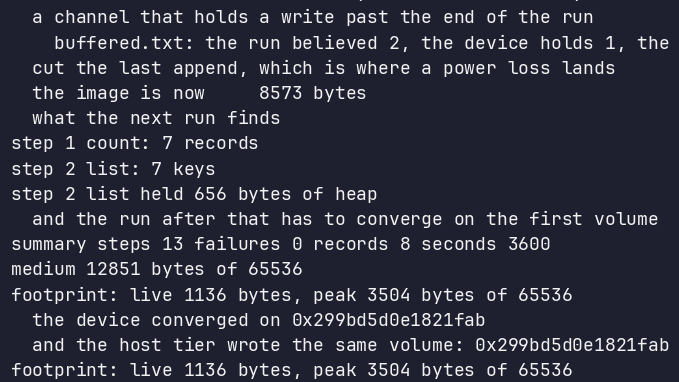
The rail is cut in the middle of a write and the volume opens; nothing appears at an address the writer did not put there, and a reader who never held the device answers from the bytes it left.
The set is proved by a second reader
A party holding only what the machine printed recomputes every value by another arithmetic, and refuses a set whose total cannot tell one file from another.
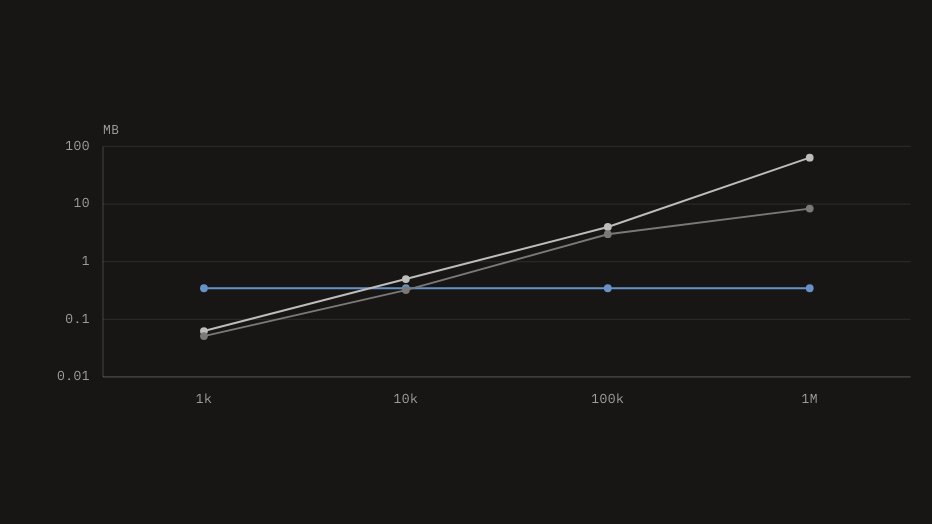
Cost stays flat as the volume grows
The read follows the depth of the coordinate rather than the size of the volume, measured from a thousand records to a million.
The layer attaches to what a team ships
The record layer arrives as a header and one partition. The drivers, the scheduler and the certificate of the platform stay where they are, and the layer claims none of them.
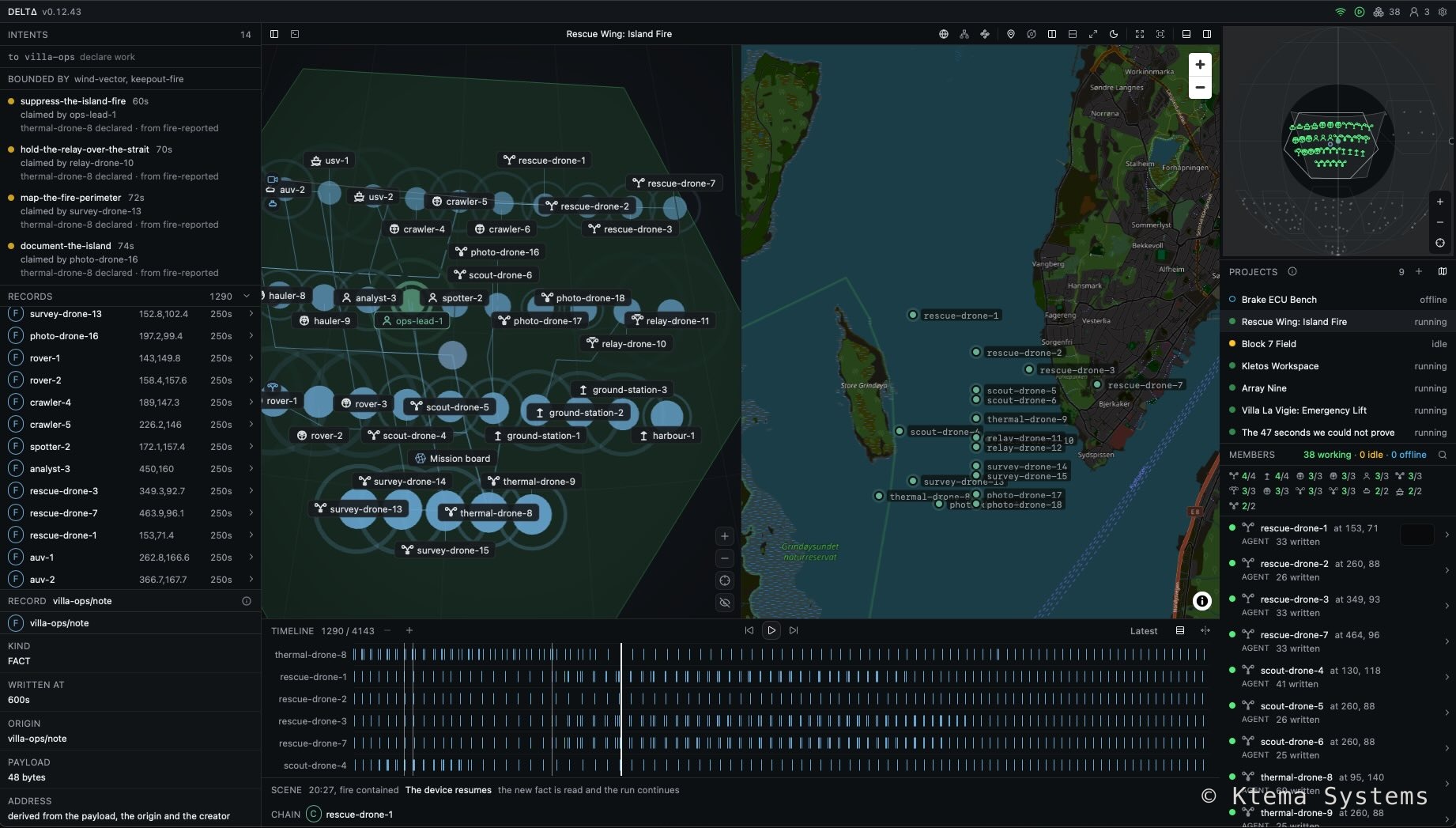
The cockpit over the record
A fleet, a cell and the people running them are read in one space, and every step, reading and reach resolves at one address.
The platforms
What each platform can establish, and therefore what a demonstration on it may claim.
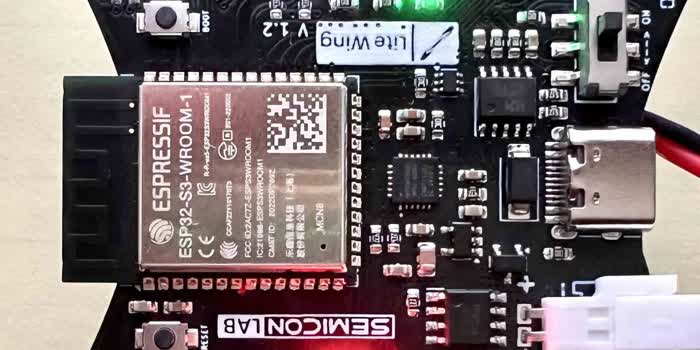
- Bare metalthe record sits on the part and survives a power cut with nothing between it and the medium
- RTOSa firmware keeps its scheduler and gains a record layer in one partition
- Microkernelthe kernel's certificate stays its owner's, and the record attaches through the medium contract
- Hosta service answers at an address in constant cost, and the audit runs offline
- Browserthe record opens in a page with no server behind it
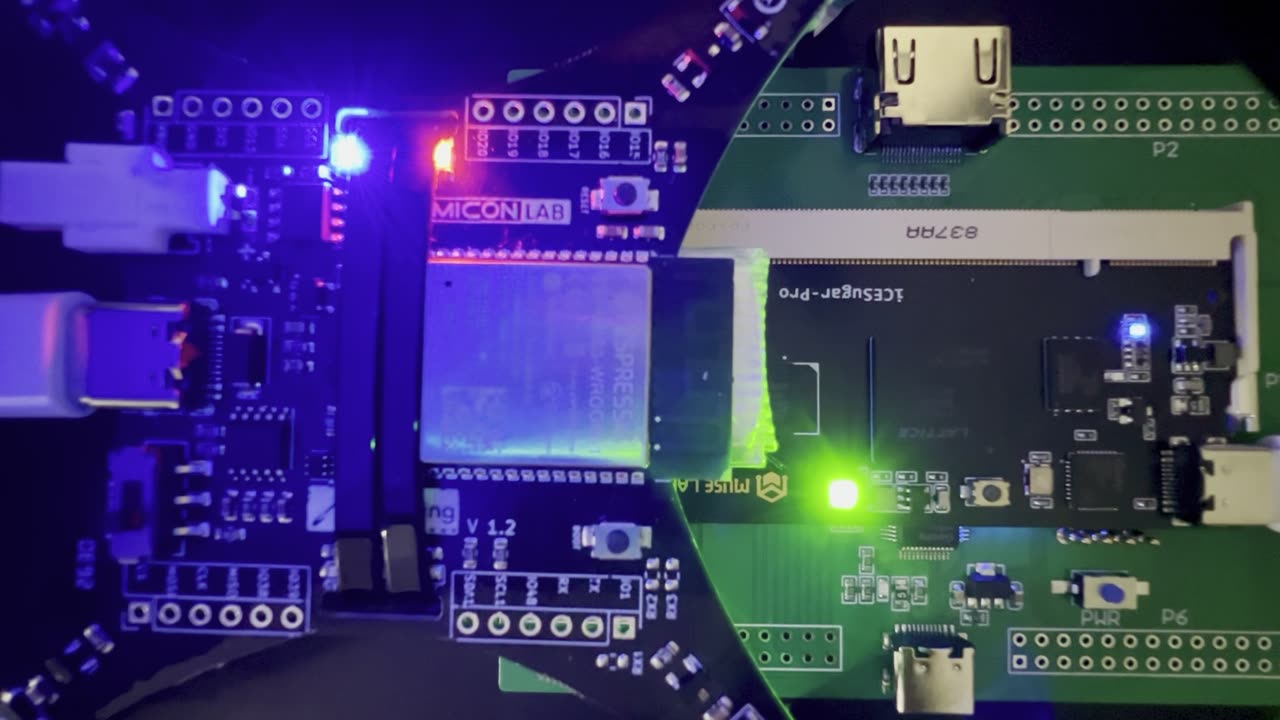
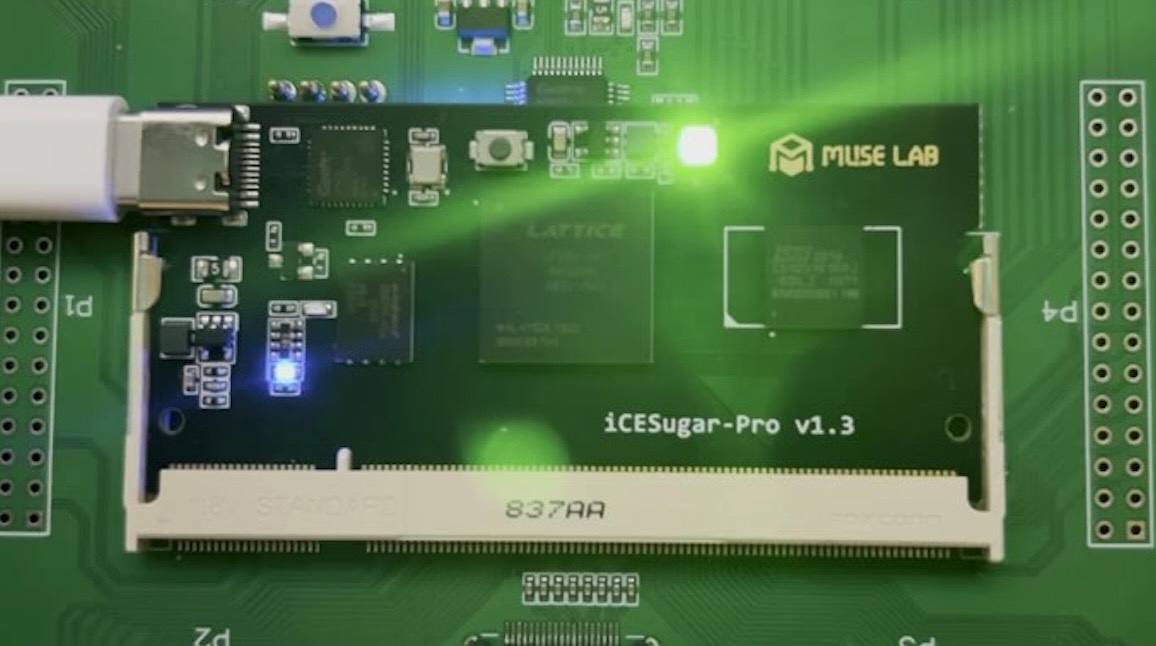
- FPGAthe address form exists a second time in gates, so verification depends on no writer